Fashion Forward
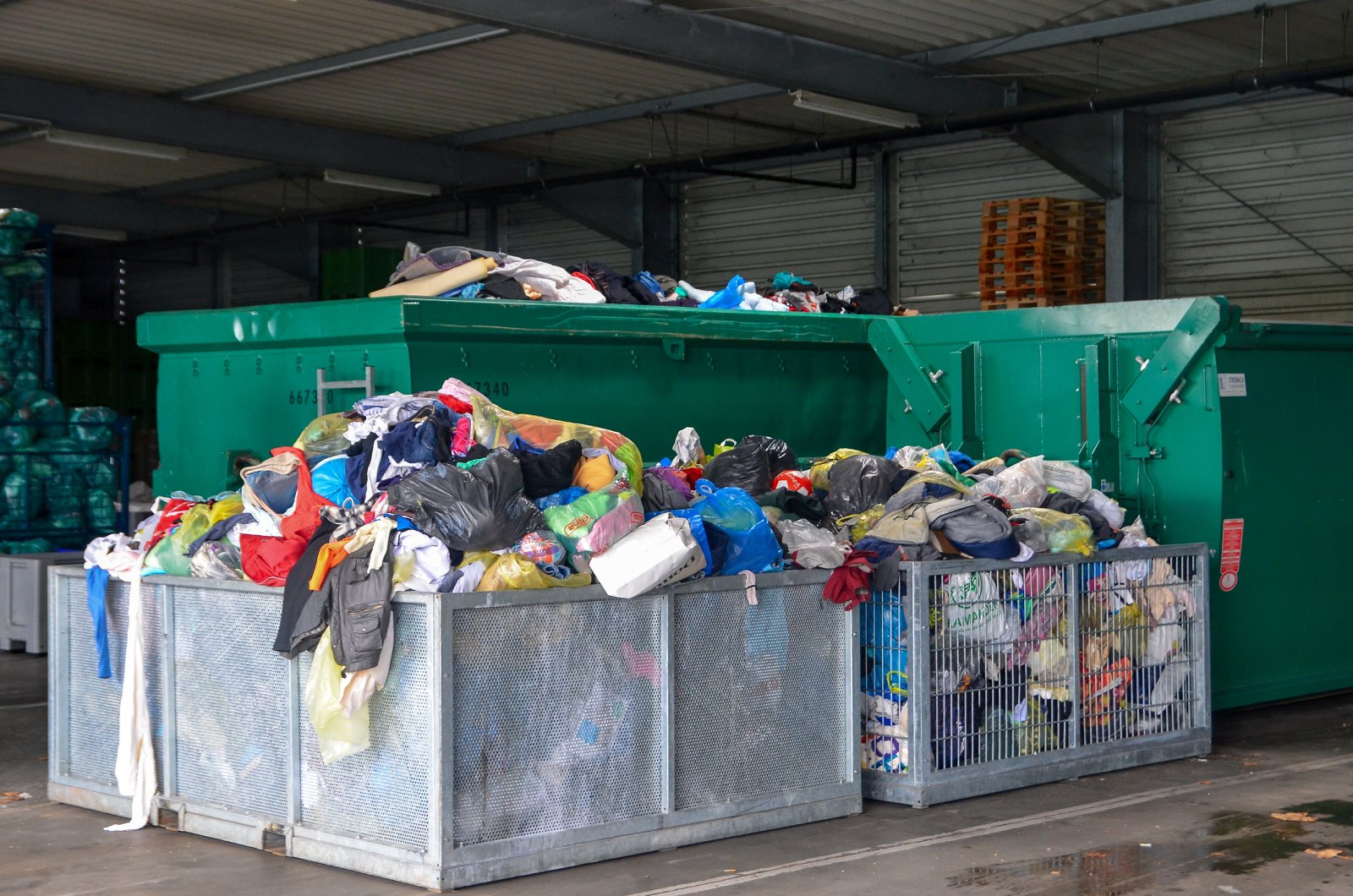
Fuelled by the fast fashion industry, 100 billion units of clothing are produced globally each year. Less than 1% of material used in clothing is fully recycled and 73% of units sold end up in a landfill or are incinerated. As a result, the fashion industry generates 92 million tonnes of waste per year and is responsible for 10 per cent of global greenhouse gas emissions. Clearly, something has to change.
In Fashion Forward, learners manage the Design, Manufacturing and Retail activities of a fast fashion company for a period of 5 years. Through the introduction of new business models, product design changes and waste reduction efforts, the company can move towards circularity, reduce waste and grow profitability, but the road is challenging.
Key Facts

How to play
At the start, learners can choose the product line of their company; either trousers, shirts and dresses or shoes, bags and belts. Each year, four initiatives can be selected from an evolving list of projects across the value chain (Design, Manufacturing, Retail). Decisions are also made on investments in staff training and research & development. After making decisions, feedback is provided through a series of dashboards. This feedback can be used when making decisions for the next year, and the cycle continues for five years. At the end of the game, learners review their performance on circularity, waste reduction, greenhouse gas emissions and profitability. It is always possible to play again to try to improve performance or to manage a different product line.
Succeed and learn
By playing Fashion Forward, learners experience that circularity:
- Is a business imperative in many industries. Customers are increasingly looking out for credible sustainable products in a range of industries.
- Is challenging from a technical and financial point of view. In the fashion industry, it is difficult to recycle used items into new products and new business models (such as rentals or pre-owned items) are unproven in terms of profitability and scalability.
- Can lead to significant reductions in corporate greenhouse gas emissions. Although moving towards circularity is not enough to reach Net Zero or other ambitious emission reduction targets, becoming more circular can make a significant contribution towards progress.
- Requires the measurement and reporting of circularity performance. Measuring progress towards circularity at the company level is complex, but necessary to achieve results.
- Can only be achieved with the participation of multiple stakeholders, including companies, customers, suppliers, and regulatory authorities.
- Lessons learned can easily be transferred to many other sectors that need to move from linear to circular industrial models.

Used all over the world


What educators say

Serious Play Awards
Judge
This simulation was engaging and informative! The video about gameplay was very clear and the gameplay was intuitive. The scoring clearly indicates progress and the feedback helps the player to make the next set of decisions. Overall, this simulation is fun and engaging!